Electric vehicles, commonly referred to as EVs, are automobiles that are powered entirely or partially by electricity rather than gasoline or diesel fuel. All-electric vehicles, also known as battery electric vehicles (BEVs), run exclusively on electricity stored in a rechargeable battery pack. Unlike conventional internal combustion engine vehicles, EVs produce zero direct emissions, making them an increasingly attractive option for environmentally conscious consumers. As concerns about climate change and air quality continue to grow, electric vehicles have emerged as a key solution in the transition toward cleaner, more sustainable transportation around the world.
The core components of an all-electric vehicle include the electric motor, the battery pack, and the onboard charger. The electric motor converts electrical energy stored in the battery into mechanical energy to move the vehicle. Most modern EVs use lithium-ion battery packs, similar in chemistry to the batteries found in smartphones and laptops, but much larger in scale. The onboard charger converts alternating current (AC) from the power grid into direct current (DC) to charge the battery. Regenerative braking is another key feature. It allows the vehicle to recover energy that would otherwise be lost during braking and convert it back into electricity to help recharge the battery while driving.
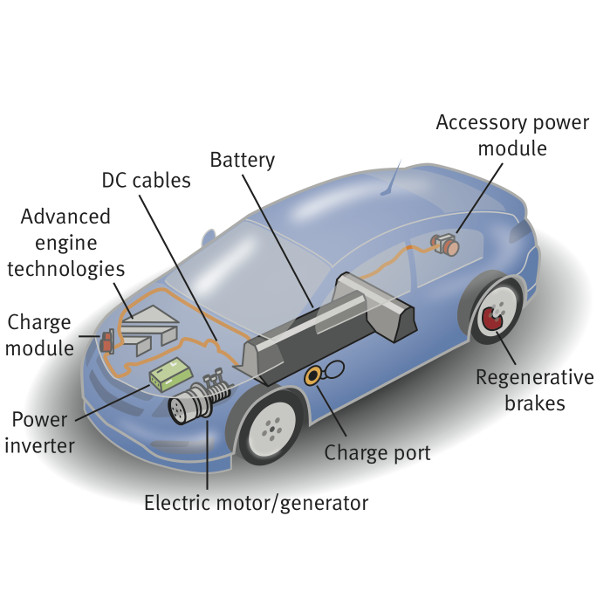
One of the most common questions prospective EV buyers ask is about charging. Electric vehicles can be charged at home using a standard 120-volt household outlet, though this is the slowest method and is often referred to as Level 1 charging. A faster option is Level 2 charging, which uses a 240-volt outlet similar to what a clothes dryer uses, and can fully charge most EVs overnight. For long-distance travel, DC fast charging stations, often found along highways, can charge a battery to 80 percent in as little as 20 to 40 minutes depending on the vehicle. The growing network of public charging infrastructure is making EV ownership more practical than ever for everyday drivers.
The benefits of electric vehicles extend beyond environmental impact. EV owners typically spend significantly less on fuel compared to gasoline-powered vehicle owners, since electricity is generally cheaper per mile than gasoline. Maintenance costs are also lower because electric motors have far fewer moving parts than internal combustion engines, meaning no oil changes, fewer brake replacements due to regenerative braking, and less overall wear and tear. Federal and state tax incentives have also made EVs more financially accessible to a broader range of consumers. As battery technology continues to improve and prices continue to fall, electric vehicles are expected to become the dominant form of personal transportation within the coming decades.
Source: U.S. Department of Energy - How Do All-Electric Cars Work